
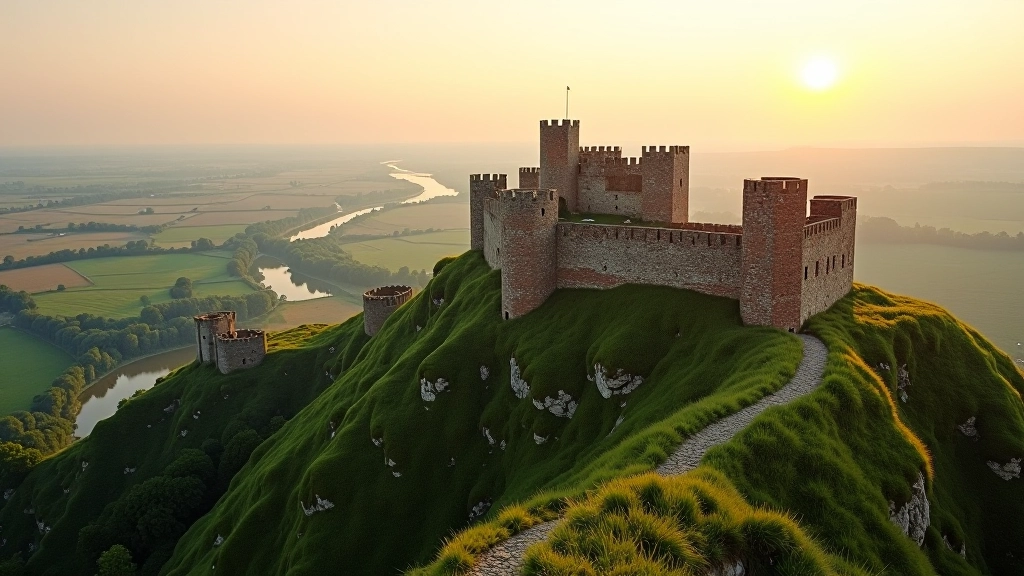
Koknese Fortress: Complete Walking Guide for Seniors
Navigate the gentle slopes to this 13th-century fortress. We've mapped the easiest route with rest spots and what you'll actually see from the top.
Read GuideExplore Koknese Castle and Daugava Valley on gentle hilltop paths designed for seniors
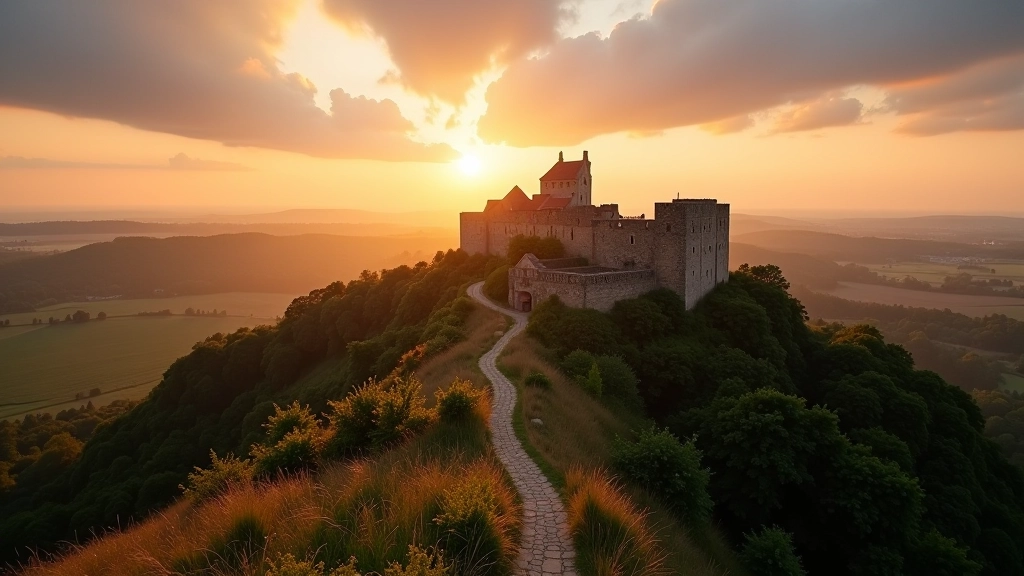
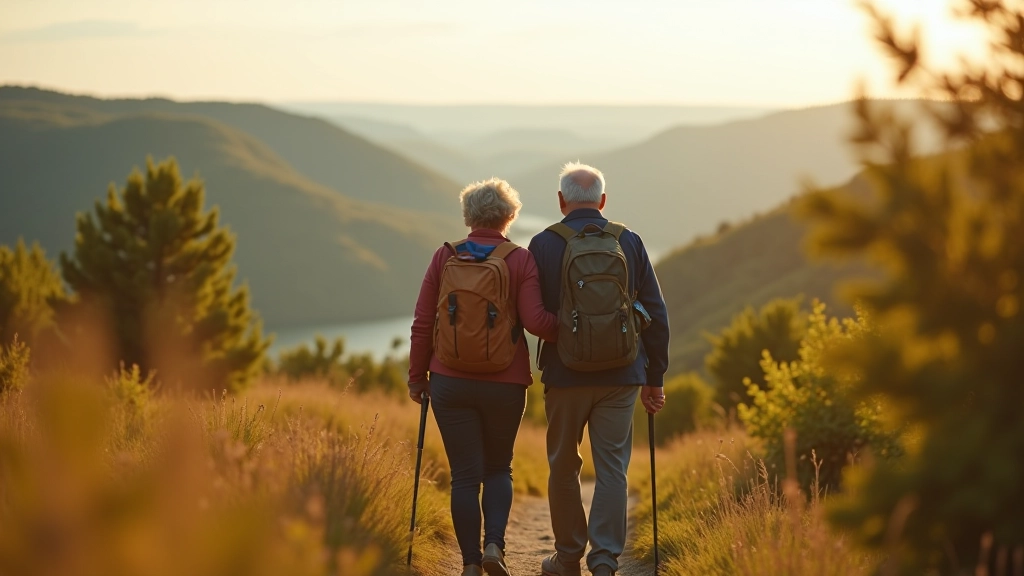
Routes range from 2 to 5 kilometers. You're not climbing mountains — just exploring hillsides at your own pace.
We've mapped benches and shaded areas every 15-20 minutes of walking. Stop whenever you need to.
Koknese Fortress dates to the 13th century. You'll actually understand what you're looking at — not just climbing random hills.
The Daugava Valley opens up from the fortress overlook. Bring a camera — these views are worth it.
These aren't flat loop trails. You're walking actual terrain with real history. The paths are well-maintained but not paved — they've got character. You'll pass through forest, along the river, and up to the fortress itself. Each section's different enough that the walk stays interesting.
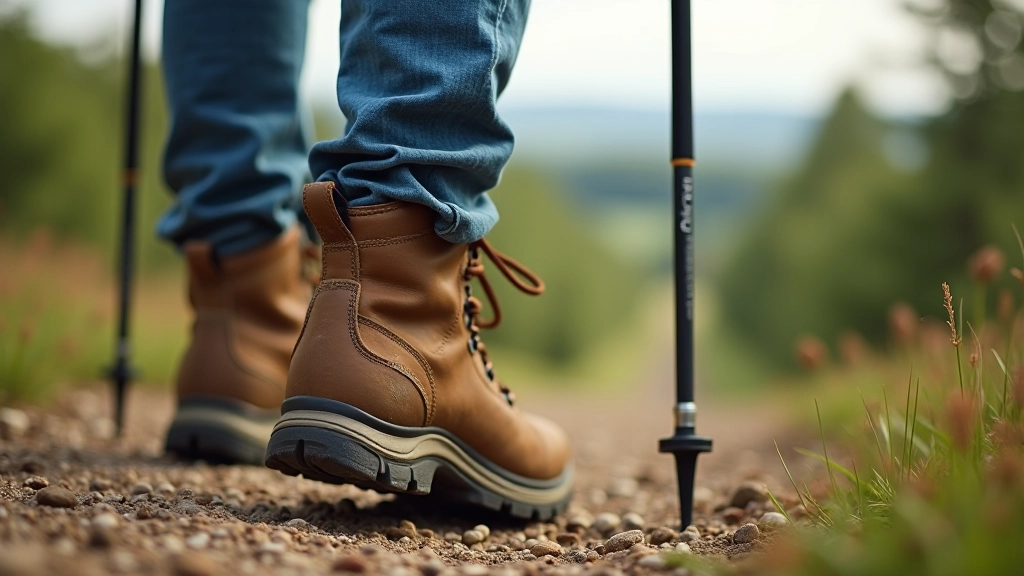
Walking poles help on the inclines. Proper footwear matters. But nothing here's dangerous if you take your time — and that's the whole point.
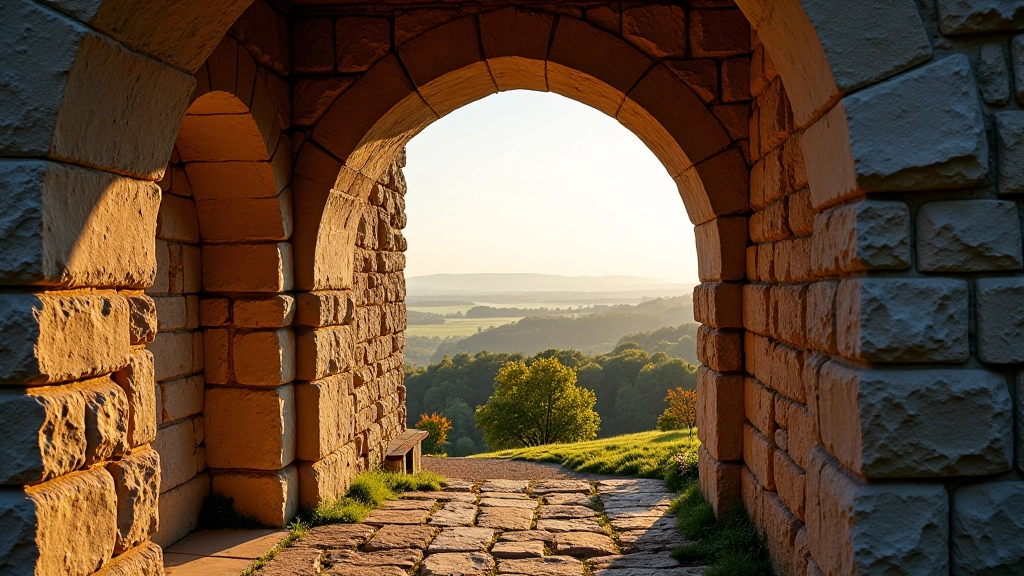
Koknese Fortress isn't a museum behind ropes. You're walking through actual castle ruins. The stones are 700+ years old. There's something real about standing in a place that's been around that long — it changes how you think about things.
The overlook points give you the full picture. You can see where the castle defenses made sense. Where the river bends. How people actually lived and defended this place centuries ago.
We're not going to pretend walking is a cure for everything. But moving your body outdoors, with good views, in interesting surroundings — that genuinely matters. Your legs get stronger. You sleep better. And you've actually got something to talk about besides the walk itself.
Most people find they want to come back. The trails change with seasons. New wildflowers in spring. Crisp air in fall. The fortress looks different depending on the light.
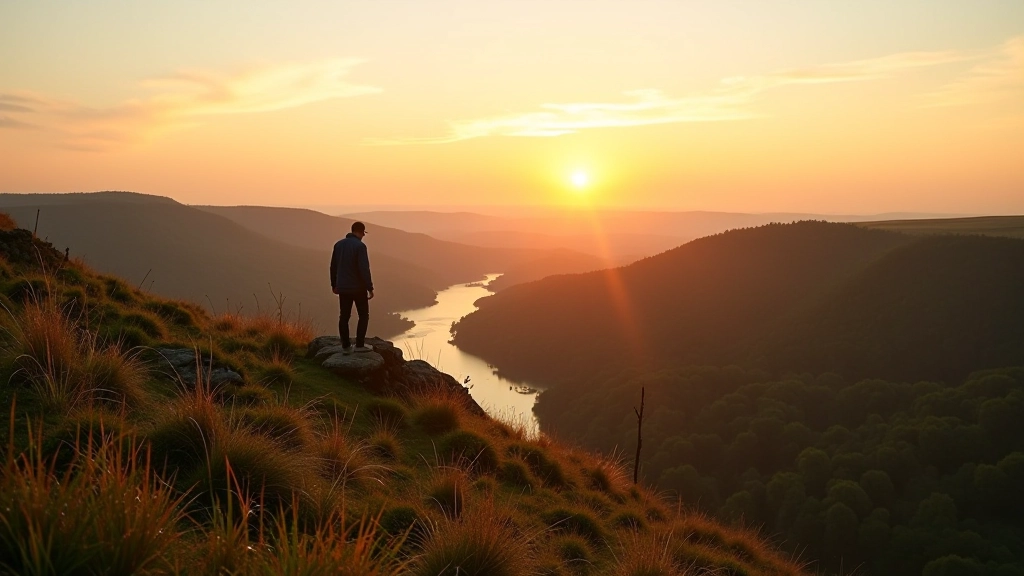
"Wasn't sure I could handle the climb, but honestly it's way easier than I expected. The fortress itself is incredible — my grandson didn't even believe it was real at first. We're planning to go back next month when the weather's better."
"The walking pole made a huge difference. I've got arthritis in my knees and thought I'd struggle, but the rest spots are perfectly placed. The whole thing took us 3 hours including stops and lunch. That's a real outing, not some stroll around the block."
"I'd done this hike before, maybe 30 years ago, and forgot how beautiful it was. Coming back as a retiree with actual time to enjoy it — that's different. You notice things you miss when you're rushing."
Real walks for real people, not marketing.
Details matter — rest spots, proper footwear, understanding what you're looking at.
You're not training for something. You're out there enjoying a place.
Go at your own pace. Bring what you need. Take the time it takes.
Most of the route is gentle. There's maybe 150 meters of elevation gain total, spread over the full walk. The uphill sections aren't steep — more of a gradual climb. Walking poles help significantly.
The walk itself is 4-5 kilometers. Depending on pace and rest stops, plan 3-4 hours. Most people aren't rushing. If you're slower, that's fine — start earlier and take your time.
Good hiking boots or trail shoes. A walking pole or two. Water and snacks. A light layer for wind at the top. Sun protection. That's it. Nothing fancy required.
Spring through fall is ideal. Winter's possible but the paths get icy — not recommended unless you're very comfortable on ice. Autumn's probably best — cooler temperatures, fewer bugs, amazing colors.
Either works. Solo walks are peaceful — you move at your own pace. Group walks are fun if you've got friends who want to go. Just tell someone where you're headed and when you'll be back.
The fortress itself — stone walls, archways, the main tower ruins. The river valley from above. Forest on both sides. On clear days you can see pretty far. It's not a huge site but it's real history and genuinely beautiful.
Everything you need to plan and complete your fortress walk
Navigate the gentle slopes to this 13th-century fortress. We've mapped the easiest route with rest spots and what you'll actually see from the top.
Read Guide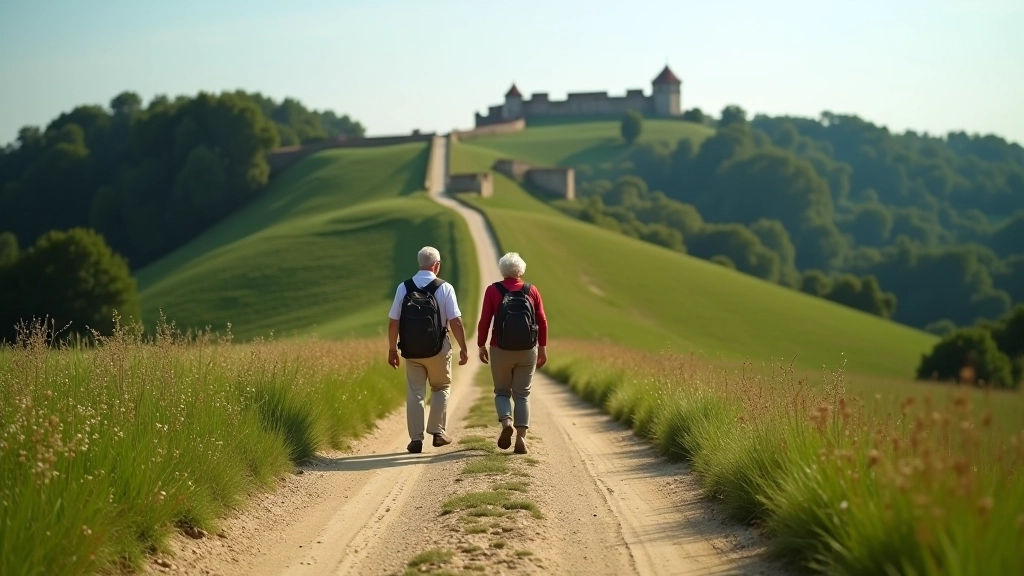
Spring brings wildflowers. Fall offers cooler temperatures. Summer gets busy. Here's what each season means for your walk and which months work best.
Read Guide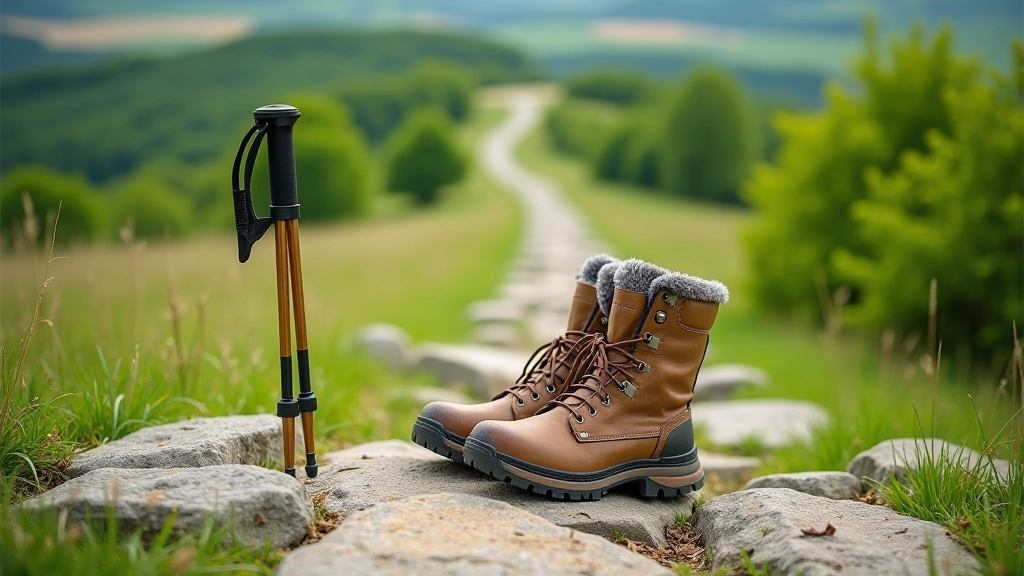
Proper footwear, weather-appropriate layers, and a walking pole make all the difference. We cover what to bring and what to avoid on fortress paths.
Read GuideWe're here to answer questions, help you plan your walk, or discuss any concerns. Get in touch with specific questions about routes, timing, or what to expect.
Contact Us