Koknese Fortress: Complete Walking Guide for Seniors
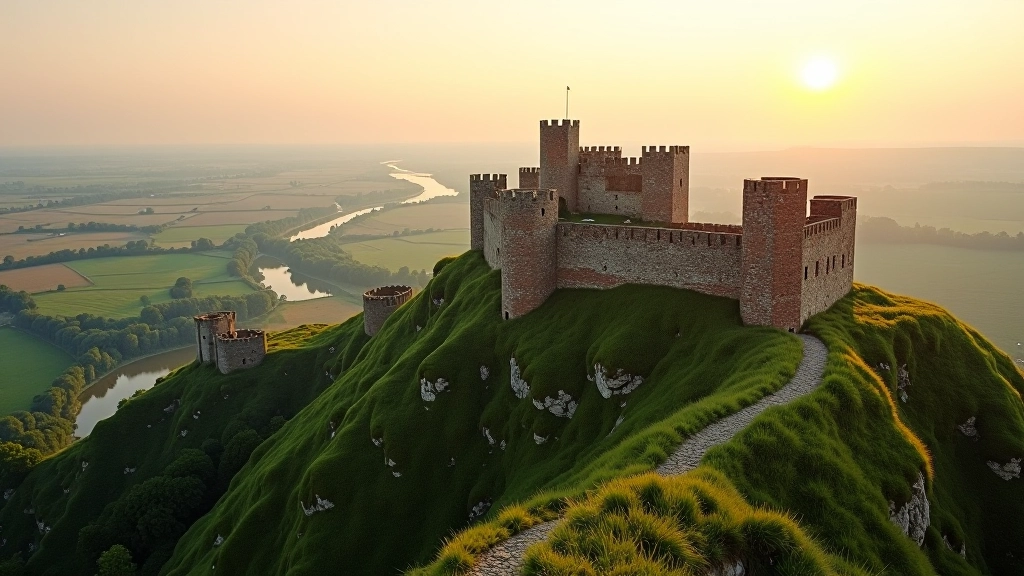
Navigate the gentle slopes to this 13th-century fortress. We've mapped the easiest approach and identified the best rest spots along the way.
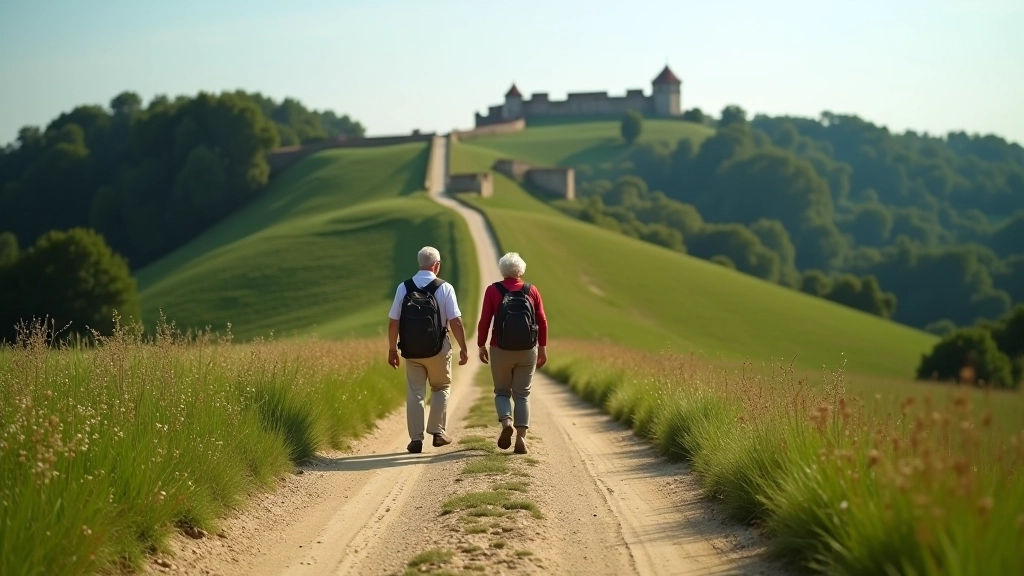
Walking to Koknese Fortress or the Daugava overlook isn't a casual stroll down a city street. You're heading uphill on uneven terrain, sometimes on rocky paths where a twisted ankle means a long walk back down. The difference between a great day and a miserable one? What's in your backpack and on your feet.
We've watched hundreds of people tackle these walks. The ones who come prepared? They're the ones actually enjoying the views instead of limping along and counting down the minutes until they're back at the car. Here's what you really need — and what you can skip.
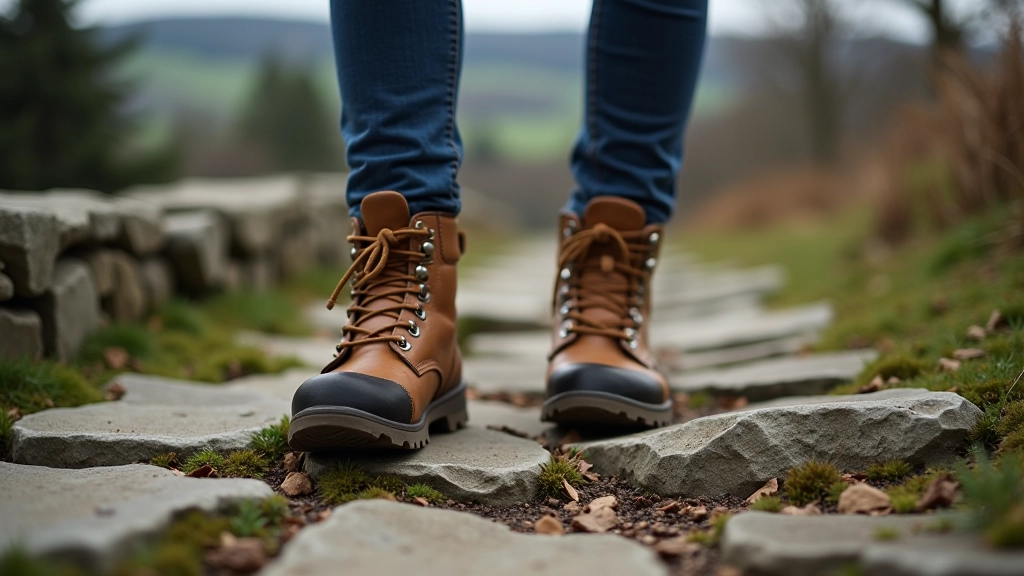
Let's start here because we've seen people turn back after 10 minutes because their shoes were wrong. Fortress paths aren't flat. You're stepping on stones worn smooth by centuries, then suddenly on loose gravel, then back to packed earth with roots crossing the way.
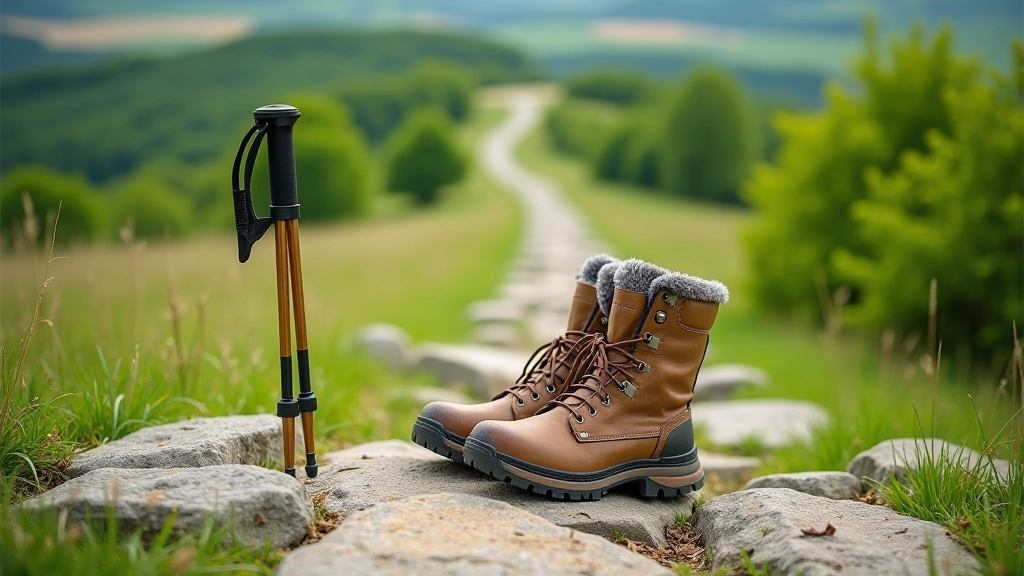
Proper hiking boots give you ankle support that regular sneakers simply can't match. You don't need mountaineering boots — something mid-height with a stiff sole and good grip is perfect. The sole matters more than most people think. You want something that doesn't slide on wet stone but isn't so stiff you feel every rock underfoot.
Break in your boots before you go. Wearing brand-new boots on a fortress walk guarantees blisters. Even a week of casual wearing around the house makes a huge difference. And bring good socks — merino wool or synthetic blends that wick moisture. Cotton socks get wet and stay wet, and that's when your feet start having problems.
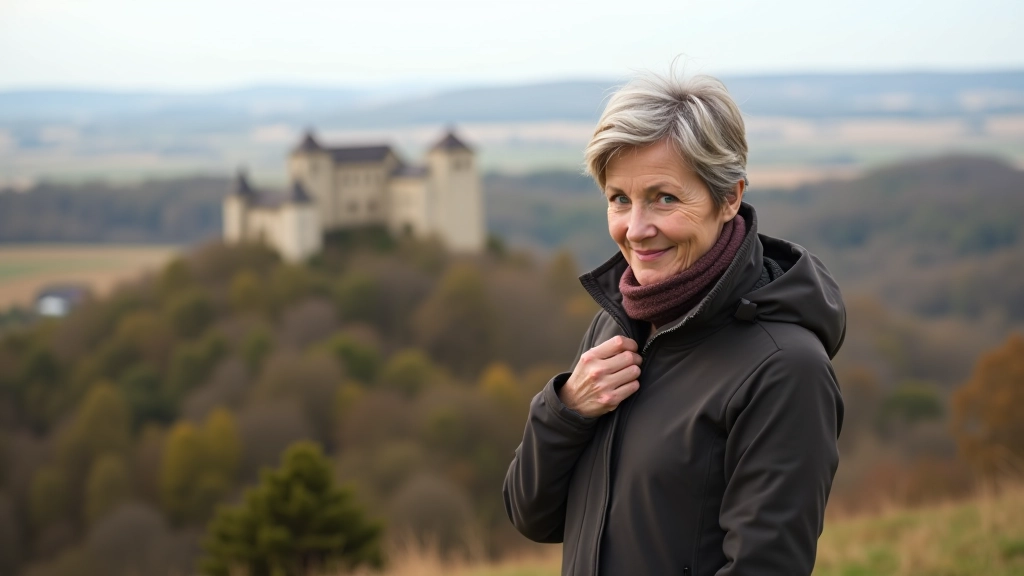
Don't wear one thick jacket. Wear three thin layers. It's the difference between being uncomfortable for two hours and being perfectly fine.
Start with a moisture-wicking base layer — something that pulls sweat away from your skin. Long-sleeve or short-sleeve depending on the season, but the material matters. Then add a mid-layer for insulation, something like a fleece that traps warm air. Finally, a windproof outer layer you can stuff in your backpack when you don't need it.
The genius of this system is flexibility. You're cold? Put the outer layer on. You're warming up from the climb? Remove the mid-layer and stuff it in your pack. The walk uphill gets you moving and generating heat, but at the fortress, you'll cool down quickly when you stop to look at the views. Being able to adjust in 10 seconds is the whole point.
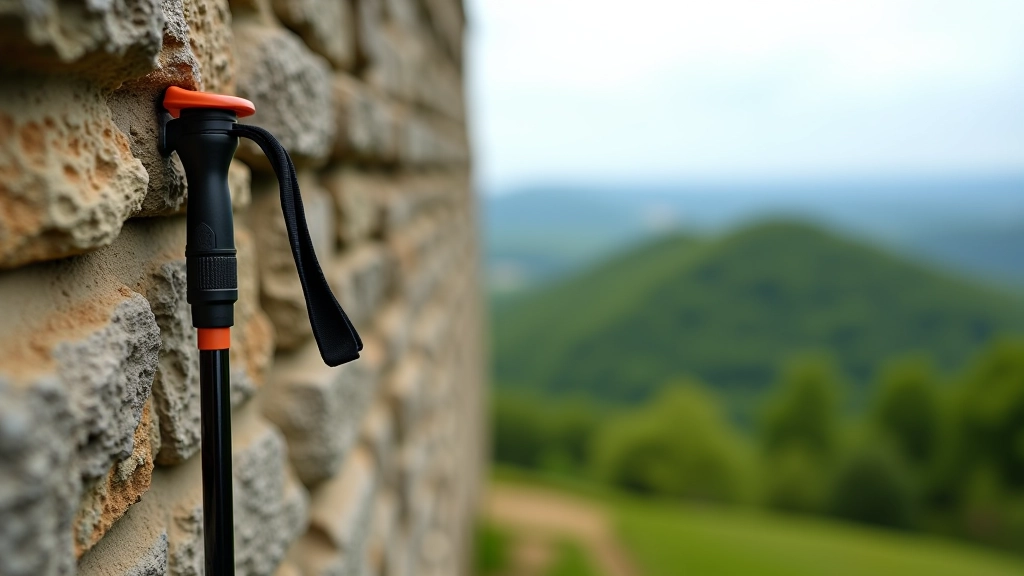
There's this perception that walking poles are for people who need extra support. That's backwards. Walking poles are for people who want to enjoy themselves.
A good pole (one pole, not two — that's the key difference) takes pressure off your knees on the downhill sections. That matters more than you'd think, especially if you're coming down after spending an hour exploring the fortress. Your knees don't get tired, which means you're not limping by the time you reach the car. Your legs also feel fresher the next day.
Pick one that adjusts in length so you can set it to roughly waist height. The material should be lightweight aluminum or carbon fiber. Wooden poles look nice but they're heavier than modern alternatives and don't compress well for packing. You'll use it for maybe 30-40 minutes total on the walk — pushing off as you climb, bracing on the way down. Small thing, huge difference.
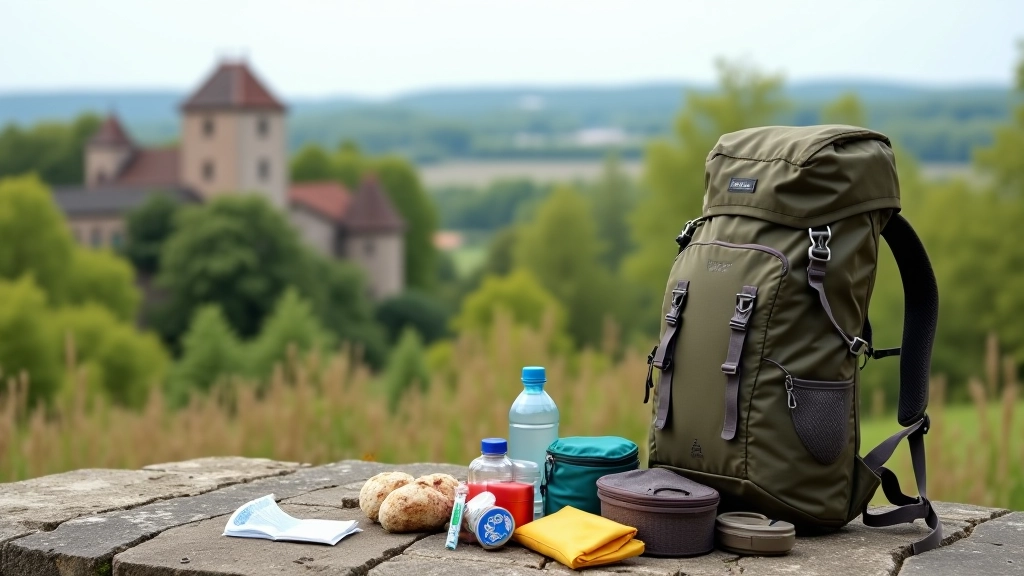
A small daypack — 15-20 liters is plenty — with these items keeps you comfortable and safe.
Water is first. Not optional. You're climbing uphill in fresh air. You'll feel thirsty faster than you expect. Bring at least 1.5 liters, more in warm months. Food should be something that gives you energy without being heavy. Nuts, dried fruit, a granola bar. Not a sandwich that weighs a pound. A basic first aid kit with bandages, pain reliever, and blister treatment. You won't need it 90% of the time, but when you do, you'll be grateful it's there. Sunscreen even on cloudy days — the reflection off stone can surprise you. A light rain jacket that packs into a pocket-sized pouch. A hat for sun, which you can toss in the pack.
That's genuinely it. Phone for emergencies and photos. Maybe a small notebook if you're that kind of person. Everything else is extra weight that doesn't add value.

The information in this article is provided for educational purposes to help you prepare for hilltop walks. Individual fitness levels, health conditions, and terrain conditions vary. Always assess your own physical capability before attempting any walk, especially on uneven or elevated terrain. If you have health concerns or mobility limitations, consult with a healthcare professional before undertaking fortress walks. Weather conditions can change rapidly — check forecasts and come prepared for unexpected changes. Walking on historic fortress grounds carries inherent risks. Proceed carefully, stay aware of your surroundings, and follow any posted safety guidelines at specific locations.
The difference between people who love these walks and people who tolerate them isn't talent or fitness. It's preparation. Proper gear doesn't make you superhuman — it just removes the reasons you'd be miserable.
You'll climb the same number of meters, see the same views, spend the same amount of time at the fortress. But with the right boots, layers, pole, and pack, you'll actually enjoy it. You'll notice the wildflowers instead of focusing on your sore knees. You'll have energy to explore instead of just wanting to get back down.
That's what this gear gives you — not just comfort, but the ability to be present for something genuinely worth experiencing.