Koknese Fortress: Complete Walking Guide for Seniors
Navigate the gentle slopes to this 13th-century fortress. We've mapped the easiest route with rest spots and what you'll actually see from the top.
Why Koknese Deserves a Morning in Your Schedule
The walk up to Koknese Fortress isn't strenuous. You're looking at maybe 45 minutes at a comfortable pace, with several spots to catch your breath along the way. What makes it worth doing? The views. You get a proper perspective of how the Daugava River shaped this region, and from the top, the surrounding forests feel genuinely peaceful.
We've walked this path with retirees who'd never done fortress hikes before. The feedback's always the same — it's manageable, the stone ruins are actually impressive up close, and people feel genuinely accomplished afterward. That matters.

01
The Route: Start at the Village, End at the Ruins
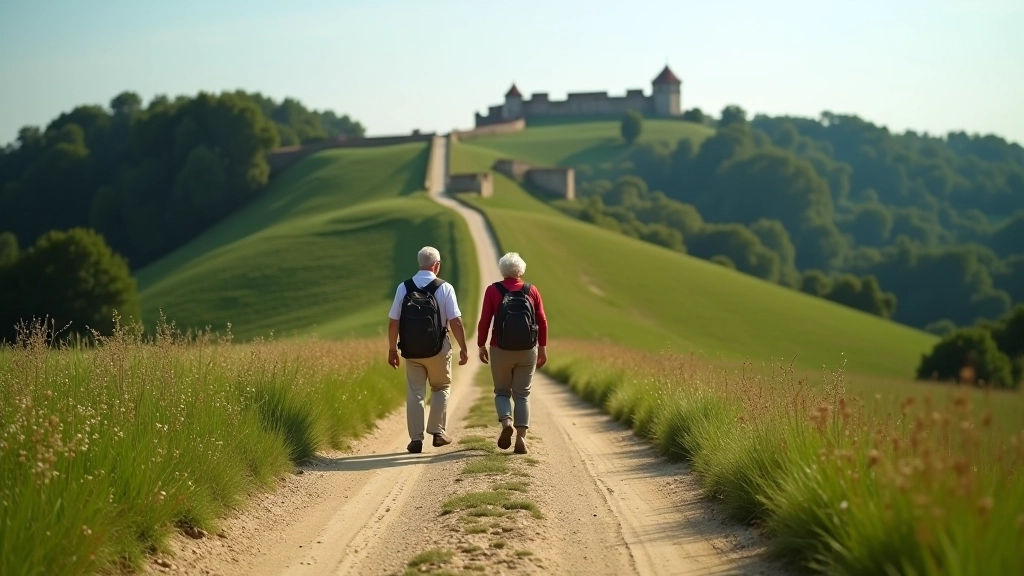
You'll begin near the Koknese village center, where there's actually a small parking area and a café if you want coffee before or after. The path itself isn't marked with painted blazes — instead, you'll follow a gradually ascending dirt and stone track that locals have worn smooth over centuries.
The climb gains about 40 meters of elevation over roughly 1.2 kilometers. Doesn't sound like much, but the slope is consistent, so it requires steady effort. That said, we've had people in their mid-70s manage it without struggling. There's a small bench about halfway up — worth knowing because it's your natural turnaround point if you're having second thoughts.
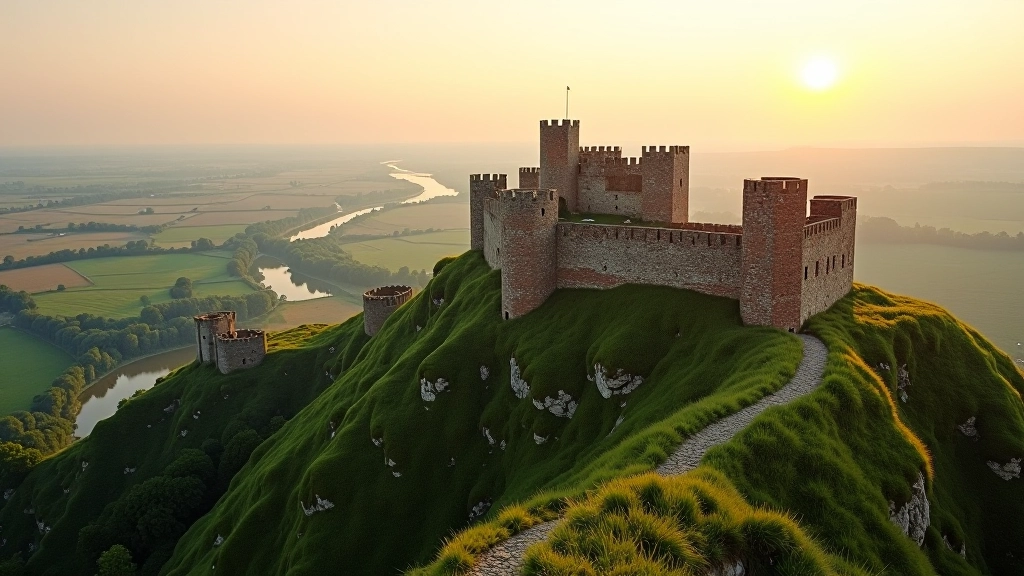
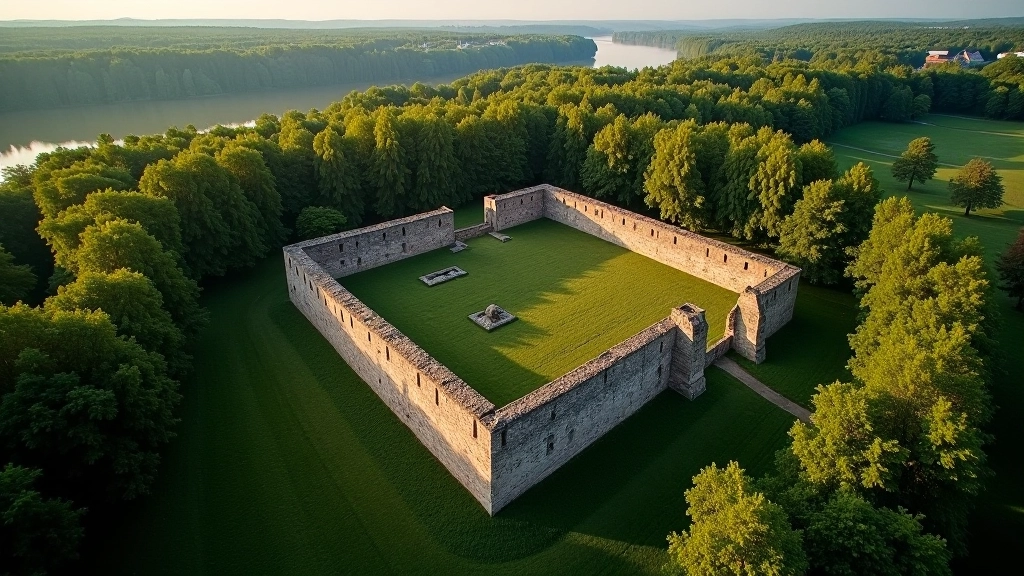
The actual fortress ruins sit at the summit. You'll recognize them immediately — broken stone walls rising from the hillside, maybe 8-10 meters high in some sections. The whole site covers roughly 80 by 50 meters, so there's room to walk around and explore without feeling cramped.
What You're Actually Looking At: Built 1209
Here's where it gets interesting. Koknese was built in 1209 by the Livonian Order — the German knights who came to convert (and control) Latvia. This particular fortress was designed as a trading post and military stronghold. The walls you see today are mostly from the 13th-14th centuries, rebuilt several times after attacks.
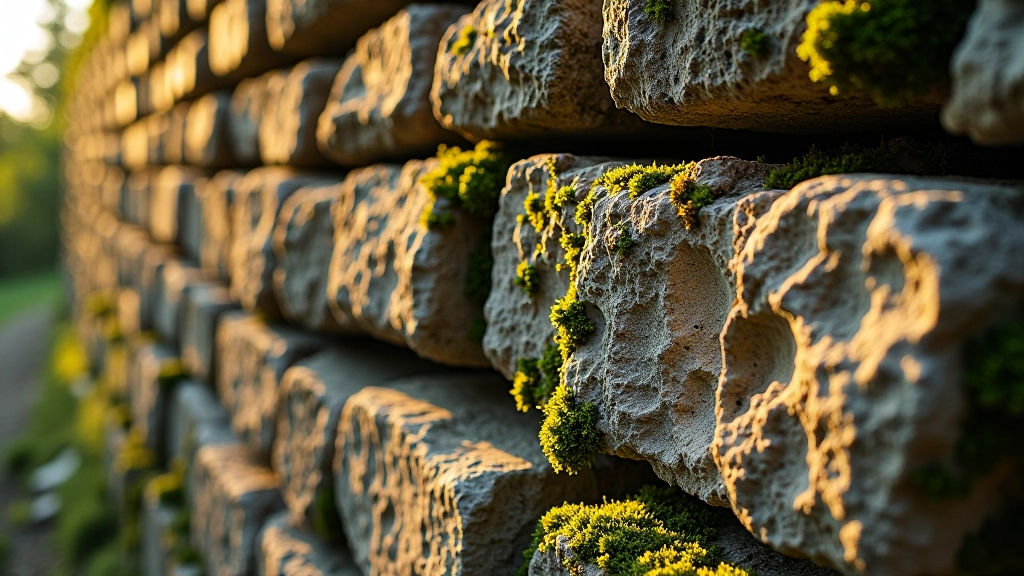
The ruins you'll encounter aren't uniform. The eastern wall is relatively intact — solid stone construction, maybe 2 meters thick in places. The southern section has mostly collapsed into piles of stone. This tells a story if you pay attention. Fortresses don't fall apart evenly. They get damaged in specific ways. Cannon fire. Siege damage. Time.
There's no interpretive signage at the site itself, which is actually refreshing. You're looking at actual history, not a museum version of it. Bring a basic guidebook or read up beforehand if you want specific historical details. The solitude is part of the experience.
Practical Details: What You'll Need to Know
Footwear and Stability
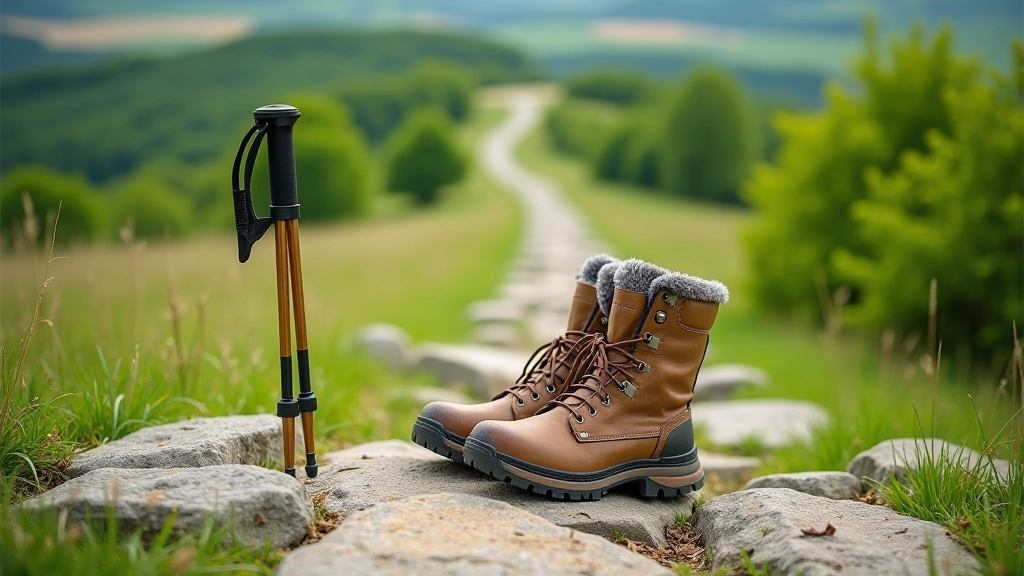
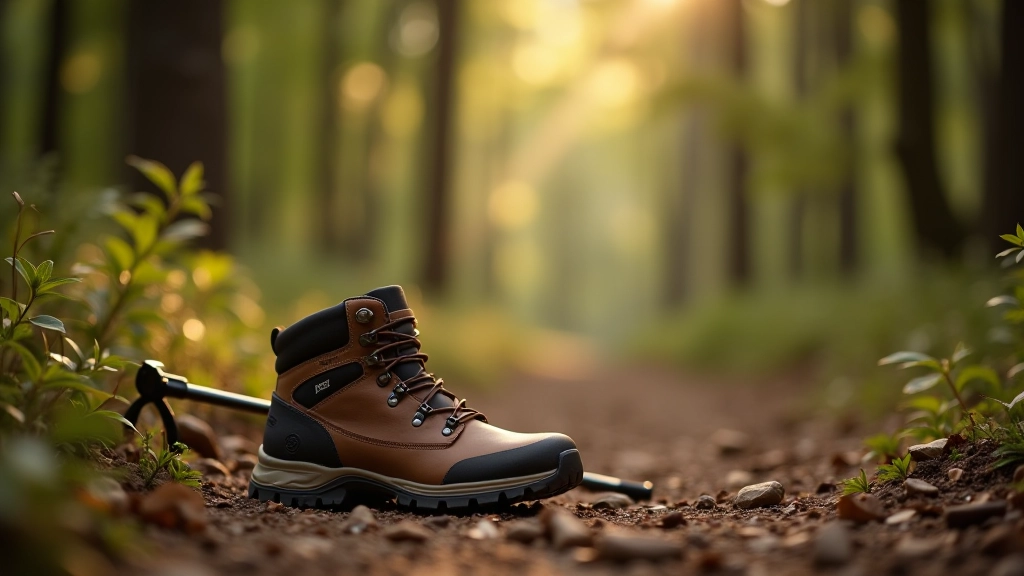
The path has loose stones and tree roots. This matters. You'll want hiking boots or at minimum sturdy walking shoes with good ankle support. Not sneakers. We've seen people turn ankles on worse terrain than this. A walking pole isn't essential, but honestly? It reduces strain on your knees significantly, especially on the descent. Most people who bring one use it.
Timing and Weather
The path gets muddy after rain — not impassable, but slippery. Aim for dry conditions. Start early morning if you can. By mid-afternoon, you'll be walking into sun glare on the return, which is uncomfortable. Total time: 45 minutes up, 30 minutes down, plus however long you spend at the top. Budget 2.5-3 hours for the whole outing.
Water and Rest
There's no water source on the path. Bring a bottle. The bench halfway up is your main rest opportunity, though there are several spots where you can sit on flat rocks near the ruins. It's not a long walk, but it's consistent climbing, so you'll appreciate these breaks.
The View: Why You Actually Came
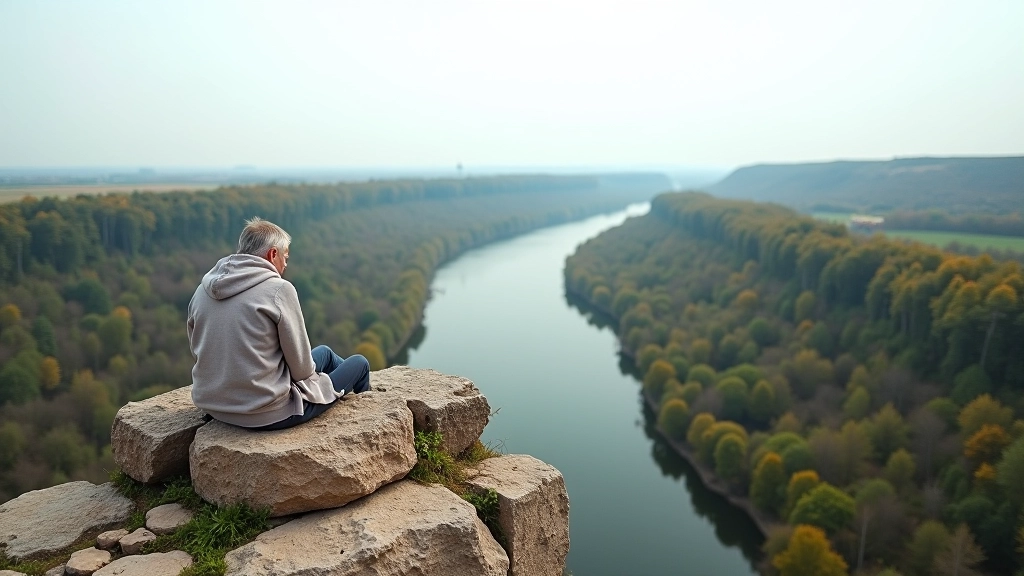
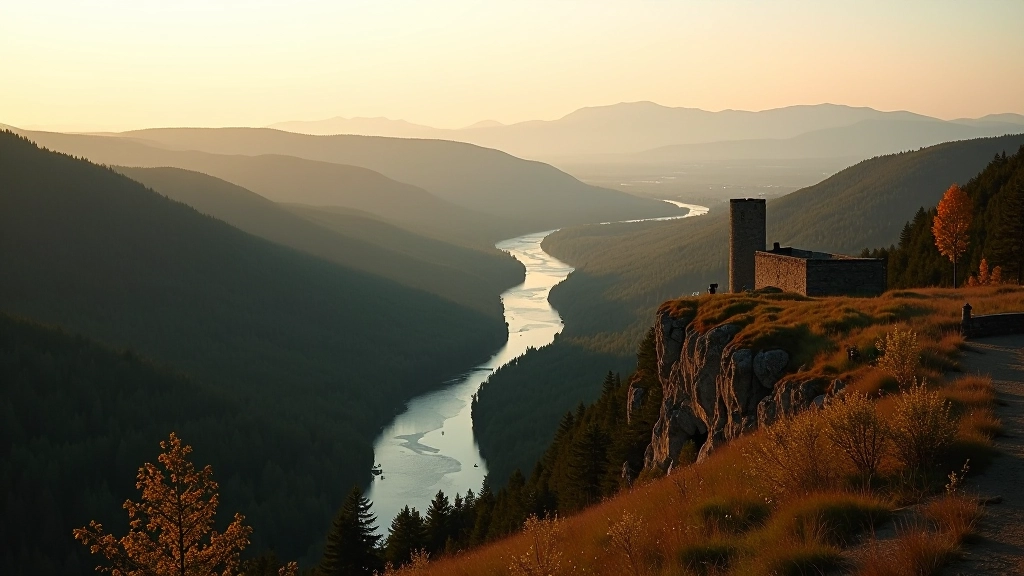
Once you're at the top, the Daugava River reveals itself. You're standing roughly 100 meters above the water level. The river curves through a wide green valley. On clear days, you can see for maybe 10-15 kilometers in either direction. It's the kind of view that makes you understand why this location mattered militarily — you could see approaching threats from miles away.
The ruins themselves frame this view nicely. You can stand inside what used to be a wall and look out toward the river. There's something grounding about that perspective. This fortress controlled this view for 800 years. Now you're standing in the same spot, looking at the same landscape.
Bring a camera if you want to. The light here is particularly good in late afternoon, when the sun hits the stone walls at an angle. The shadows become quite dramatic.
Important Information
This guide is educational and informational in nature. Individual fitness levels vary significantly. Before attempting any walk, assess your own physical capabilities honestly. If you have mobility concerns, cardiovascular issues, or balance problems, consult with your doctor first. The terrain is uneven and the ascent requires sustained effort. Weather conditions change rapidly — check forecasts before heading out. The fortress ruins are unstable in places. Don't climb on walls or enter partially collapsed sections. There's no mobile service at the site, so let someone know where you're going and when you expect to return.
The Bottom Line
Koknese Fortress isn't a difficult walk. It's also not trivial. It sits in that useful middle ground where you'll feel like you've actually done something without being exhausted afterward. You'll see genuine historical ruins and a landscape that hasn't changed dramatically since medieval times. That's worth a morning.
The key is preparation. Wear proper shoes. Bring water. Start early. Take breaks without guilt. The pace doesn't matter. What matters is that you'll stand at the top of a medieval fortress and see a river valley the way people saw it 800 years ago. That's the real reason to go.
Related Guides