
Best Times to Visit: Seasons and Crowds
Spring brings wildflowers. Fall offers cooler temperatures. Summer gets busy. Here's what each season means for your walk and which months work best.
Planning Your Visit
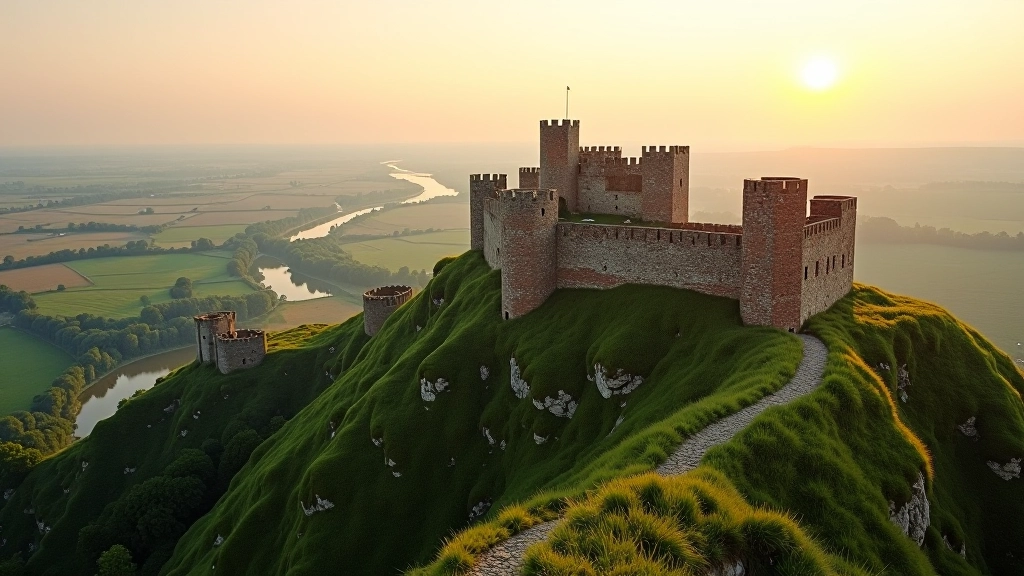
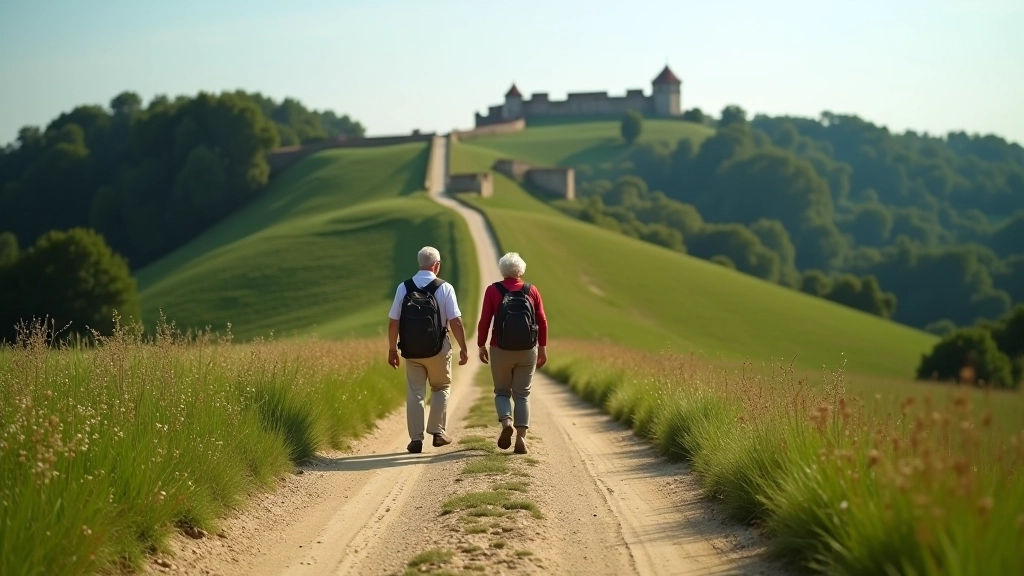
Timing matters when you're heading to Koknese Fortress or the Daugava overlooks. We're not just talking about comfort — though that's important — but also about seeing these medieval ruins at their best. Each season tells a different story about the landscape and offers distinct advantages for walkers of any age.
The fortress walls stand the same year-round, but the experience changes dramatically. Spring mud, summer crowds, fall colors, winter silence — you'll find something special in each. Let's break down what you're getting with every season so you can choose what suits you best.
01
Spring: April to May
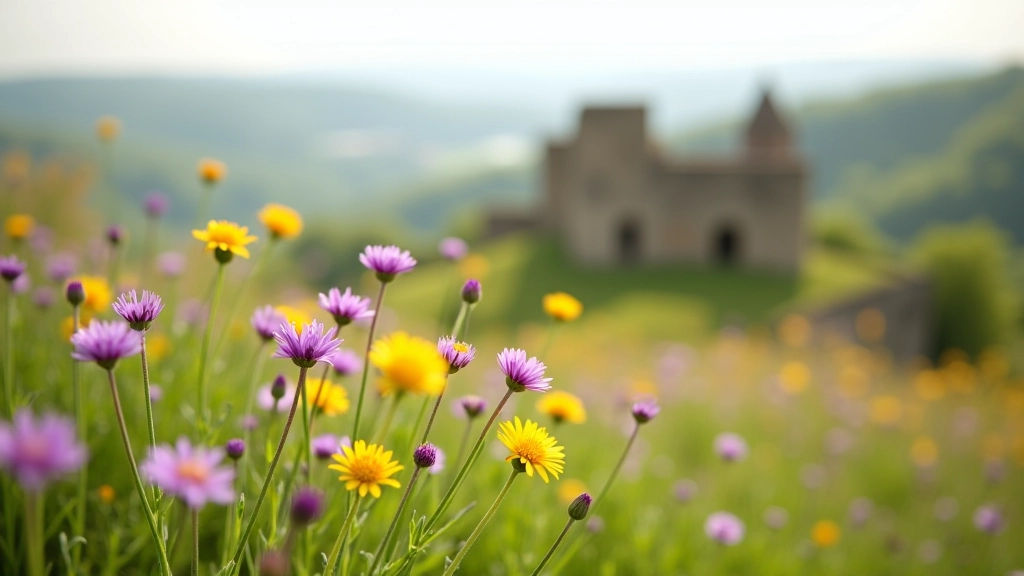
Spring transforms the fortress grounds into a wildflower garden. Temperatures hover around 12-16°C (54-61°F), which means layers work perfectly. You'll see locals out testing their walking legs after winter.
What You'll Notice
- Wildflowers blooming along the paths — especially in May
- Paths can be muddy mid-April, drier by late May
- Morning mist over the Daugava valley — stunning for photos
- Fewer visitors than summer, but more than winter
- Green growth makes the ruins feel less stark, more integrated with nature
Best days: Mid-May onwards, after recent rain has dried. Avoid early April if you dislike mud. Waterproof walking shoes become genuinely useful here, not just nice to have.
02
Summer: June to August
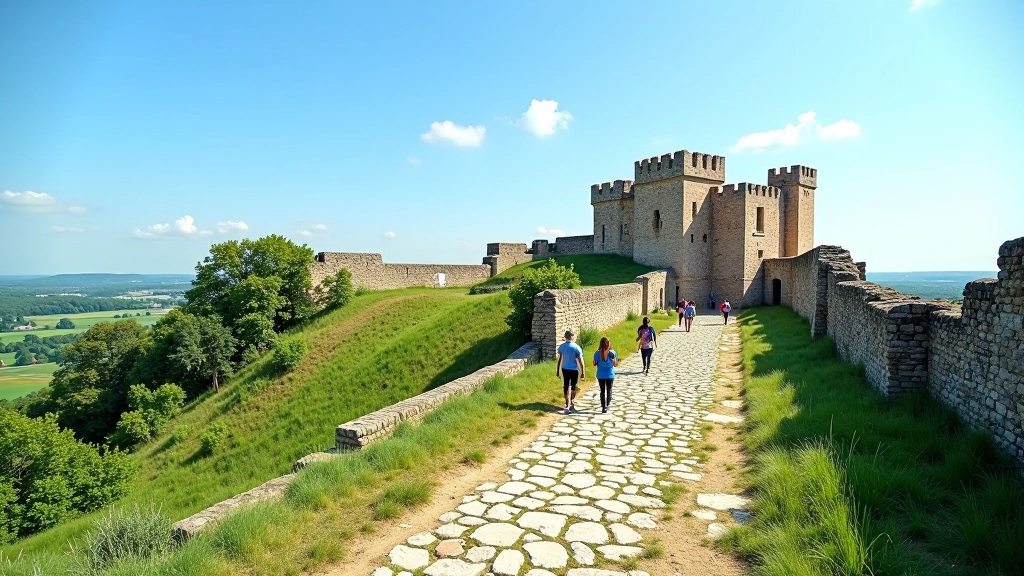
Warmest season brings warmest crowds. Temperatures reach 18-22°C (64-72°F) — genuinely pleasant for walking. You'll share the fortress with school groups, tourists, and families from June onwards.
Peak Season Reality
- July and August see the most visitors — especially afternoons
- Paths are completely dry and easy to navigate
- Perfect weather, but you'll never be alone
- Morning visits (before 10 AM) are noticeably quieter
- Evening light is stunning for photography — try 7-8 PM
Best approach: Visit early morning or late afternoon. If you want solitude, this isn't your season — but if you enjoy the energy of others exploring, summer delivers that completely.
03
Fall: September to October
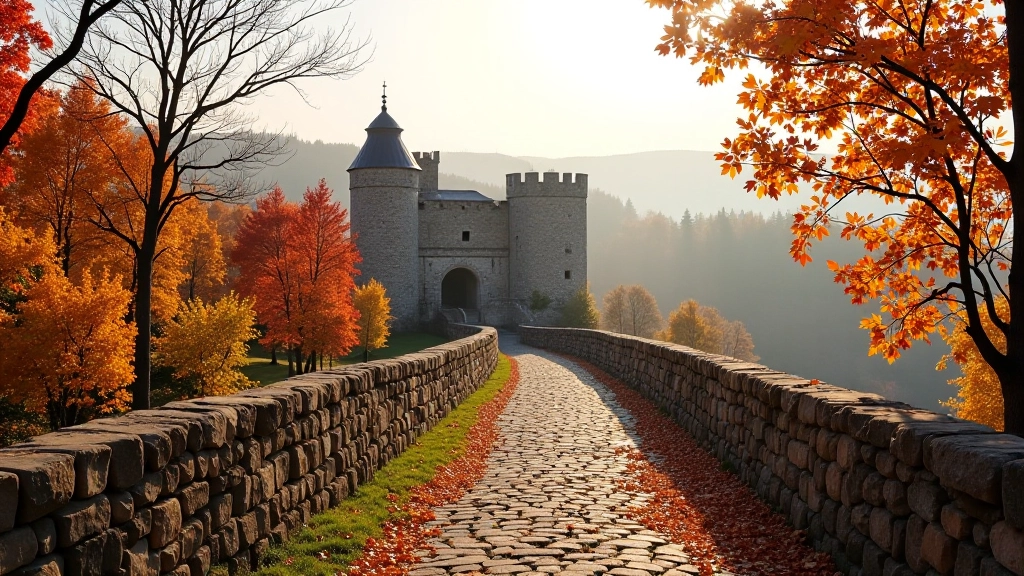
Many visitors consider fall the sweet spot. Temperatures drop to 10-16°C (50-61°F), the summer crowds vanish, and the landscape shifts to golds and reds. It's our honest recommendation for most walkers.
Why Fall Works
- Crisp air without summer heat or spring mud
- Fall colors frame the fortress beautifully — September through early October
- Dramatically fewer people than summer
- Paths are dry but leaves provide natural grip
- Ideal temperatures for walking without overheating
September is our top recommendation. The weather's still stable, colors are changing, and you'll see maybe 20% of the summer crowds. By late October, leaves are mostly down and some paths get slippery — manageable, but requires attention to footing.
04
Winter: November to March
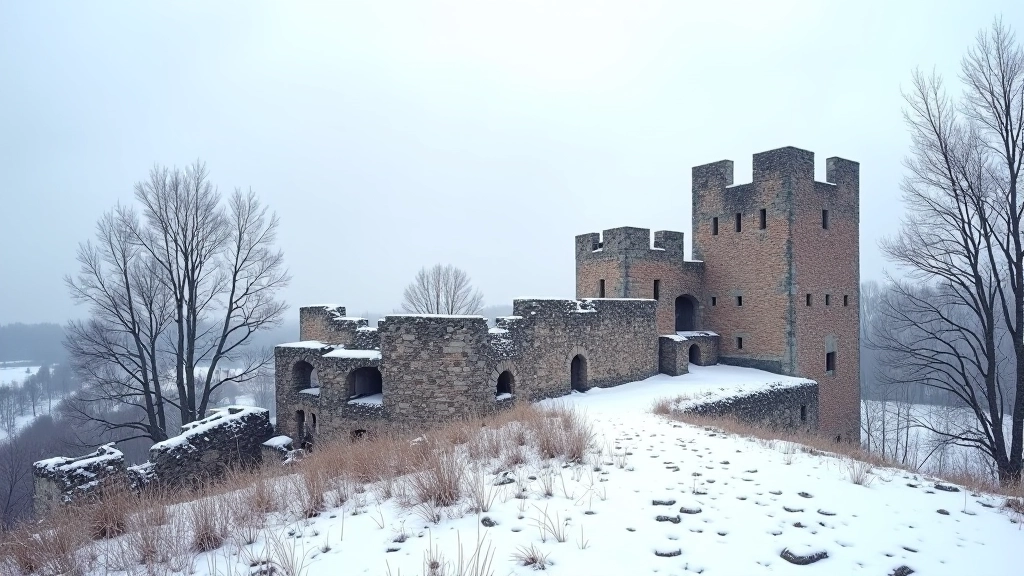
Winter's the quietest season. Temperatures hover around 0-5°C (32-41°F), sometimes dropping to -5°C (23°F). Snow comes and goes — not consistent enough for true winter hiking, but slippery when present.
Winter Considerations
- Very few visitors — you might be alone for hours
- Bare trees expose fortress views that vegetation hides other seasons
- Ice on paths is a genuine hazard after freezing rain
- Daylight limited — plan to finish by 4 PM
- Requires proper winter footwear with real grip
Winter's for experienced walkers or those who truly don't mind cold. The solitude is remarkable, and there's something powerful about medieval ruins in stark winter light. But it's not forgiving — if you slip, help isn't immediately nearby, and daylight disappears quickly.
Quick Season Comparison
Season
Temperature
Crowds
Paths
Best For
Spring
12-16°C
Light
Muddy (early)
Wildflower lovers
Summer
18-22°C
Heavy
Dry & easy
Social visits
Fall
10-16°C
Light
Dry & grippy
Most people
Winter
0-5°C
Minimal
Icy (risky)
Experienced walkers
Planning Your Visit: Practical Tips
Check Weather 3 Days Before
Latvian weather changes fast. Rain predictions matter for path conditions. If heavy rain's forecast, spring and fall paths get slippery — not dangerous, but requires focus.
Aim for Weekdays
Summer weekends bring the heaviest crowds. Weekday mornings are consistently quieter. If you're flexible, a Tuesday in July beats a Saturday in September for solitude.
Morning Light is Golden
Early morning light (7-9 AM) across the fortress and valley is genuinely spectacular. You'll also beat crowds and heat. Bring a camera — you'll want to.
Bring More Water Than You Think
Walking uphill in any season burns hydration. The walk feels moderate but takes effort. A 1.5L bottle is minimum — 2L is better if you're going slowly or it's warm.
Sunset Visits Need Planning
Evening light is stunning, but daylight disappears fast — especially in fall and winter. If visiting after 4 PM, bring a headlamp and plan your exit route carefully. Summer gives you more light buffer.
Layer for Temperature Swings
Valley floors are cooler than hilltops. You'll start in a jacket, shed it by the fortress, then need it again walking down. Three layers beats two in any season.
Important Notice
This article provides general information about seasonal conditions at Koknese Fortress and nearby walking routes. Weather patterns, path conditions, and crowd levels can vary significantly year to year. Always check current local conditions before your visit, wear appropriate footwear, and consider your personal fitness level when choosing which season suits you. If you have mobility concerns or health conditions, consult with your doctor before hiking, and consider hiring a local guide familiar with the terrain. This information is educational — individual experiences will differ based on timing and personal circumstances.
Finding Your Perfect Season
There's no objectively "best" time to visit Koknese Fortress — only the best time for you. Spring offers renewal and wildflowers if you don't mind variable conditions. Summer's warm and accessible, though crowded. Fall delivers that rare combination of pleasant weather and quiet paths. Winter's for those who appreciate solitude and dramatic landscape photography.
We'd honestly recommend September as a starting point. The weather's stable, the crowds have thinned, colors are turning, and it's genuinely pleasant to walk. But if you love spring flowers, comfortable warmth, or winter silence — you'll find it here. The fortress has stood for nearly 900 years. It'll still be there whenever you decide to visit.
Explore More Walks